NVQ Level 2 Scaffolding: How Is It Structured?
The NVQ Level 2 Scaffolding is designed for individuals working on-site who want to gain formal recognition for their skills. Rather than focusing on classroom learning, this NVQ assesses real competence in a live working environment. Its structure reflects how scaffolders actually work, ensuring the qualification is practical, relevant, and aligned with industry expectations. Understanding how the NVQ is structured can help learners feel confident about what to expect, from enrolment through to completion.
Overview of the Qualification Framework
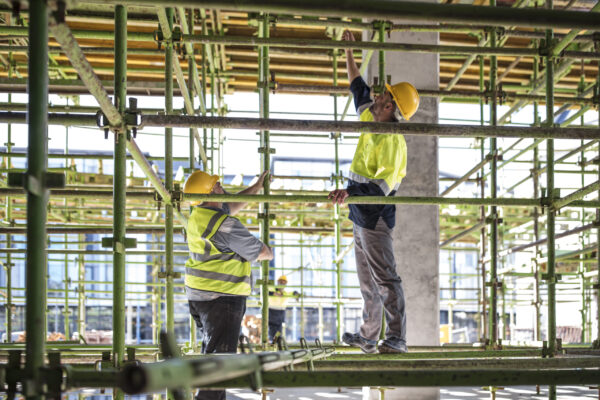
The qualification is built around national occupational standards for scaffolding. These standards define what a competent scaffolder must be able to do on site, from erecting and dismantling structures to working safely at height. The NVQ framework breaks these standards into manageable units, each focused on a specific area of competence.
Learners must demonstrate consistency, safety awareness, and technical accuracy across all required units. There are no traditional exams; instead, progress is measured through practical performance, and evidence gathered during normal work activities.
Core Units Within NVQ Level 2 Scaffolding
The NVQ includes mandatory units that all candidates must complete. These cover essential skills such as erecting basic scaffolding structures, dismantling scaffolds safely, handling materials correctly, and following site-specific health and safety procedures.
Some pathways may also include optional units depending on the type of scaffolding work being undertaken. This structure ensures the qualification remains flexible, while still maintaining a consistent national standard. Every unit is directly linked to tasks scaffolders perform on real construction sites.
How Assessment is Carried Out on Site
Assessment is carried out in the workplace, allowing learners to qualify while continuing to earn. A qualified assessor will remotely observe tasks being completed under normal working conditions. Evidence can include photographs, method statements, toolbox talks, and professional discussions.
Learners also build a digital portfolio of evidence over time. This portfolio demonstrates not only that tasks have been completed, but that they’ve been carried out safely, efficiently, and to industry standards. The process is supportive rather than exam-driven, making it accessible for experienced workers.

Timeframes and Flexibility of NVQ Level 2 Scaffolding
Level 2 is designed to be flexible, with completion times varying based on experience and site access. Highly experienced scaffolders may complete the qualification relatively quickly, while those newer to the role may take longer as they gather sufficient evidence across different tasks.
Because assessments take place during normal work, there is minimal disruption to employment. This structure makes the NVQ particularly attractive to working professionals who want to gain a qualification without attending college, or taking extended time off site.
Conclusion (NVQ Level 2 Scaffolding: How Is It Structured?)
The Scaffolding qualification is structured around real-world competence, not classroom theory. Through clearly defined units, on-site assessment, and flexible timeframes, it reflects the realities of scaffolding work in the UK construction industry. For scaffolders seeking formal recognition, improved job security, and progression opportunities, understanding this structure shows why the NVQ route is both practical and highly valued.

If you still have any questions regarding the NVQ, then do not hesitate to get in touch.
Phone – 020 3488 4472