The Purpose of NVQ Level 2 Plastering
In the UK, the construction sector is built upon a foundation of verified skills, and occupational standards. Just one of the essential trades that make up the industry is plastering. The NVQ Level 2 Plastering serves as the primary gateway for tradespeople looking to formalise their experience. It’s a rigorous assessment of a worker’s ability to perform to national standards. In today’s blog, we’ll break down all the reasons you might want to take this NVQ (National Vocational Qualification).
Understanding the Role of Plastering in Construction
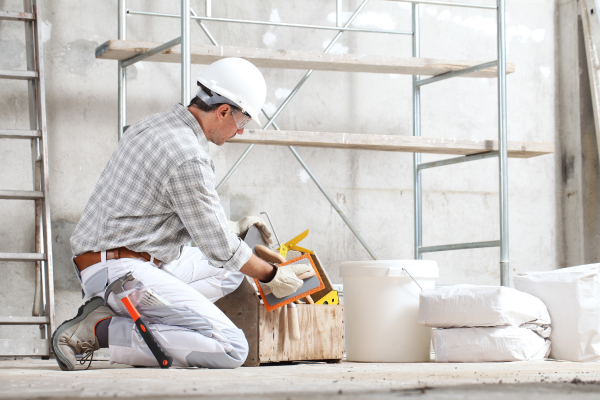
A plasterer is responsible for creating smooth, level surfaces on walls and ceilings, providing the essential canvas for decorators, and in many cases, contributing to the fire resistance and acoustic insulation of a room. In the broader context of a project, the plasterer often works under significant time pressure. Their work must be perfect; any imperfections in the plaster will be magnified once paint or wallpaper is applied. Because the plastering stage usually signals the transition from the “shell” of a building to the internal “fit-out,” the efficiency and quality of the plasterer are vital to the project’s overall timeline.
What NVQ Level 2 Plastering is Designed to Achieve
The core purpose of the NVQ is to verify occupational competence. Unlike traditional educational paths that rely on classroom learning and hypothetical scenarios, an NVQ is designed to confirm that a person can do the job in the real world. The qualification aims to standardise the quality of plastering across the UK, ensuring that a Level 2 qualified plasterer possesses the same baseline of skills.
Core Skills Required of Modern Plasterers
To succeed in the assessment, a plasterer must demonstrate a diverse repertoire of skills that go beyond simple skimming. Modern plastering requires a deep understanding of different substrates, from blockwork and brick to plasterboard and historical lath and plaster.
Core skills include:
- Applying Finishing Plaster: Achieving a “mirror finish” on internal walls.
- Applying Undercoat Plasters: Building up layers to level uneven surfaces.
- Fixing Plasterboard: Understanding the mechanics of dry lining and “tackling.”
- Rendering: Applying sand and cement or synthetic renders to external elevations.
- Floor Screeding: In many cases, preparing level floors to receive final finishes.
The qualification ensures that the tradesperson is versatile enough to handle the various demands of a modern residential or commercial site.
How NVQ Level 2 Plastering Supports On-Site Competence
The NVQ assesses the candidate’s ability to plan their work. This includes calculating material quantities to minimise waste and managing their time to ensure that large “hits” or “sets” of plaster don’t dry out before they can be finished. This level of professional foresight is what separates a competent tradesperson from a hobbyist.
The Practical Nature of Trade-Based Qualifications
Many of the most talented plasterers in the industry are kinaesthetic learners- they learn by doing, not by reading textbooks. The NVQ respects this by removing the need for traditional written exams.
Instead of writing about how to mix plaster, the candidate is remotely observed actually mixing it. Instead of an essay on health and safety, they’re assessed on how they set up their trestles and clear their work area. This practical focus ensures that the qualification is accessible to everyone in the trade, regardless of their previous educational background, provided they have the hands-on skills required.
Who NVQ Level 2 Plastering is Intended For
This qualification is primarily aimed at two groups: apprentices and “Experienced Workers.”
For apprentices, the NVQ forms the culmination of their initial training, proving they’ve moved from a trainee to a “skilled worker” status. For the Experienced Worker, particularly those who have worked in the trade for years but never gained formal papers, the NVQ is a way to “grandfather” their experience into a modern credential. It’s designed for those who are already working in the industry and need a way to prove their worth to new employers, or to gain access to larger, more lucrative commercial sites.
How NVQ Level 2 Plastering Aligns With Employer Needs
From an employer’s perspective, hiring a Level 2 qualified plasterer reduces risk. Contractors need to know that the person they send into a room will complete the job without requiring expensive remedial work.
Also, many main contractors and local authorities will only hire sub-contractors who can prove their competence through formal qualifications. This is often a requirement of their insurance policies or their own quality management systems. The purpose of the NVQ is to provide a “currency” that employers recognise and trust, facilitating smoother hiring processes, and better project outcomes.
The Importance of Health and Safety Awareness
Plastering is a physically demanding job that involves working at height, handling heavy materials, and dealing with potentially irritant substances. A significant portion of the NVQ is dedicated to ensuring that the candidate is a safe operative.
NVQ Level 2 Plastering and Workplace Safety Requirements
Beyond personal safety, the qualification ensures that plasterers understand their role in the safety of the wider site. This includes the correct disposal of waste, the safe storage of materials to prevent fire hazards, and the ability to work safely around other trades.
The NVQ specifically assesses the candidate’s understanding of COSHH (Control of Substances Hazardous to Health), which is vital given the chemical nature of modern plasters and additives. This level of awareness is a mandatory requirement on any site operating under the Construction (Design and Management) Regulations 2015.
Evidence-Based Assessment in Vocational Training
The mechanism of the NVQ is “evidence-based.” This means that the candidate must build a portfolio that proves their competence over time. This evidence typically includes:
- Remote Observation: An assessor remotely watching the candidate work on-site.
- Photographic Evidence: High-quality images of work in progress and finished surfaces.
- Witness Testimonies: Signed statements from site managers or clients.
- Professional Discussion: A recorded interview where the candidate explains the “how and why” of their work.
This system ensures that no one can “fake” an NVQ. The evidence must be authentic, current, and sufficient, providing a robust trail of competence.
How NVQ Level 2 Plastering Demonstrates Real-World Ability
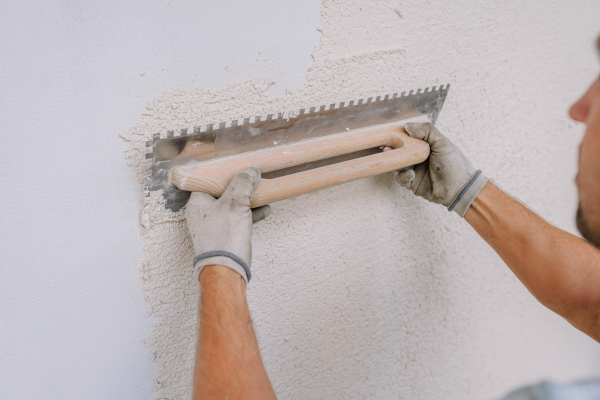
Real-world ability is what employers value most. The qualification proves that the tradesperson can handle the unpredictability of a construction site, and still deliver a high-quality finish. It bridges the gap between knowing the theory and having the “site-craft” necessary to survive in a competitive industry.
Progression Opportunities After Trade Qualification
Level 2 is rarely the end of the road. Instead, it’s a stepping stone. Once a plasterer has achieved this level, they can specialise further. Many choose to move into fibrous plastering (ornamental work) or external wall insulation (EWI) systems, which are currently in high demand due to government green energy initiatives.
Without the Level 2 foundation, accessing these specialist paths is far more difficult. The qualification provides the broad-based competency required to then branch out into more complex and higher-paid areas of the trade.
NVQ Level 2 Plastering as a Foundation for Career Growth
For those with ambitions beyond the trowel, the Level 2 qualification is the starting point for management. Most Level 3 NVQs (Supervisory) and Level 4/6 NVQs (Management) require the candidate to have a solid background in their core trade.
By obtaining the Level 2, a plasterer is effectively future-proofing their career. If they eventually want to move into site management, estimating, or becoming a clerk of works, they will always have that verified “Skilled Worker” foundation to fall back on. It’s the first major milestone in a lifelong career in the built environment.
Recognition of Competence Across the Construction Industry
The system is part of a national framework that is recognised by every major construction body in the UK, including the CITB (Construction Industry Training Board). This universal recognition is vital for the mobility of the workforce.
How NVQ Level 2 Plastering Supports CSCS Card Applications
One of the most practical purposes of the NVQ is its link to the CSCS (Construction Skills Certification Scheme) card. In the current industry climate, you’re unlikely to get onto a major construction site without a CSCS card.
- The Red Card: For trainees and those working toward their NVQ.
- The Blue Card: For those who have successfully completed their NVQ Level 2.
The Blue “Skilled Worker” card is the industry standard. It tells every site manager that you’ve been independently assessed and found to be competent. For many, the primary motivation for completing the NVQ is to “upgrade” their card, thereby unlocking access to better-paying jobs on larger sites.
Conclusion: The Purpose of NVQ Level 2 Plastering
The true purpose of the NVQ Level 2 Plastering is to transform a “worker” into a “professional.” It standardises quality, ensures workplace safety, and provides a clear, verifiable benchmark for excellence in the trade. By focusing on real-world evidence and on-site competence, it respects the practical nature of the craft while meeting the stringent demands of the modern construction industry.
Whether it’s used as a means to secure a Blue CSCS Card, a foundation for management, or simply a way to prove one’s skill to the world, the NVQ remains the most important qualification a plasterer will ever earn.
If you still have any questions regarding the NVQ, then do not hesitate to get in touch.
Phone – 020 3488 4472