NVQ Level 3 Construction: Assessment Explained
Understanding how assessment works is one of the most important steps when enrolling on a vocational qualification. For many learners, the NVQ Level 3 Construction route is attractive because it proves real competence on site, rather than academic theory. Today’s blog will break down how assessment is structured, what evidence is required, and how candidates can successfully demonstrate occupational competence.

How NVQ Assessment Works in Practice
Unlike traditional classroom-based qualifications, NVQs are assessed in the workplace. Assessment is based on your ability to carry out tasks to the required industry standard, safely and consistently. There are no written exams in the conventional sense; instead, competence is demonstrated through evidence collected over time.
An assessor will be allocated to you and will work with you remotely to plan assessment activities. These typically align with your normal job role, ensuring the qualification reflects what you already do day to day. The focus is on proving competence, not testing memory or revision skills.
Competence-Based Evidence
Evidence must show that you can perform tasks independently, and to recognised industry standards. This ensures the qualification has real value for employers and reflects genuine occupational capability.
Evidence Requirements for NVQ Level 3 Construction Candidates
For Level 3, evidence is gathered from multiple sources to build a complete picture of your competence. This approach ensures fairness and reliability while accommodating different working environments.
Common forms of evidence include photographs or videos of work activities, method statements, risk assessments, job sheets, and completed work records. Professional discussions with your assessor are also a key element, allowing you to explain decision-making and technical understanding.
Witness testimonies from supervisors or site managers may be used to confirm your role and responsibilities. All evidence is mapped directly against the qualification units, ensuring nothing irrelevant is included.
Quality Over Quantity
It’s not about collecting large volumes of paperwork. Assessors look for relevant, high-quality evidence that clearly demonstrates competence against each unit.
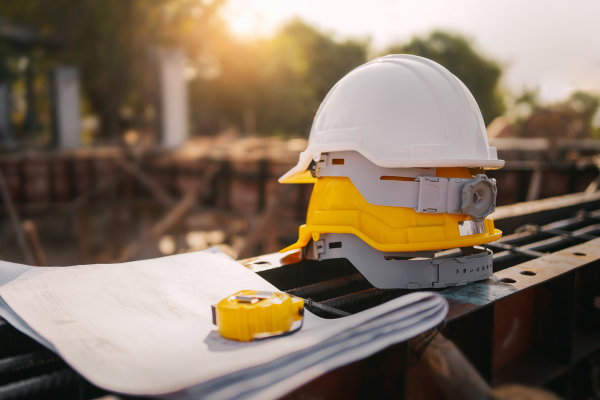
Remote Site Observations and Assessor Support for the NVQ Level 3 Construction
A crucial part of assessment is remote site observation. Your assessor will remotely observe tasks such as supervising operatives, coordinating resources, or maintaining health and safety standards. These observations provide strong, first-hand evidence of competence.
Assessors also provide guidance throughout the process. They help identify suitable evidence opportunities and clarify assessment criteria, ensuring candidates stay on track. This support structure is particularly valuable for learners balancing qualification requirements with full-time work.
Flexible Assessment Planning
Assessment is planned around your work schedule wherever possible, minimising disruption while maintaining assessment integrity.
Conclusion (NVQ Level 3 Construction: Assessment Explained)
Level 3 assessment is designed to be practical, flexible, and directly aligned with real workplace performance. By focusing on competence rather than exams, it provides a credible route to formal recognition for experienced construction professionals.
With structured assessor support, varied evidence methods, and remote assessment, candidates can demonstrate their skills in a way that reflects genuine industry standards. Understanding how assessment works from the outset allows learners to approach the qualification with confidence and achieve successful outcomes efficiently.

If you still have any questions regarding the NVQ, then do not hesitate to get in touch.
Phone – 020 3488 4472